

New T4A Reporting Requirement for Truck Drivers: What You Need to Know for 2025
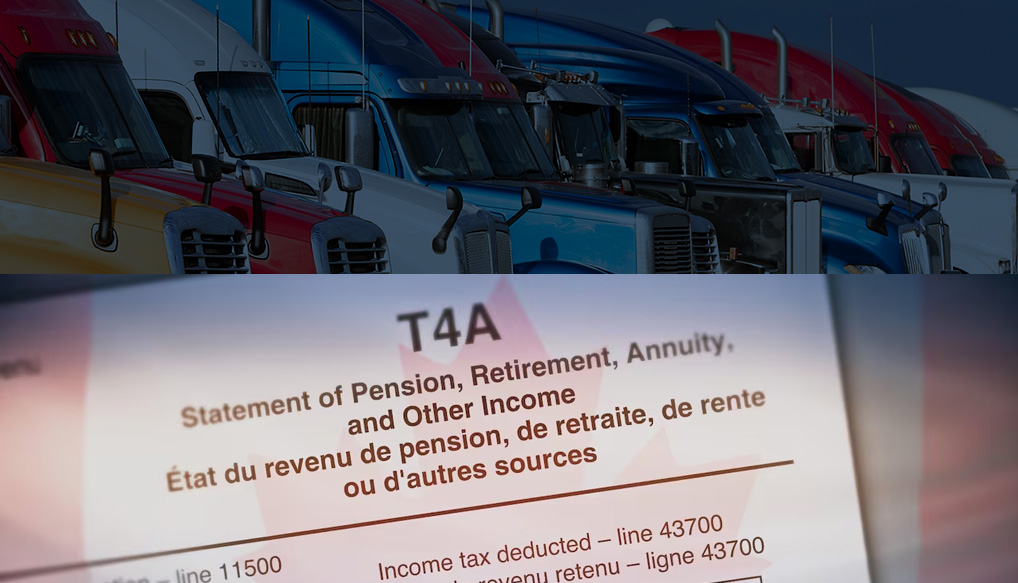
If you’re a truck driver who paid contractors or subcontractors in 2025, this is an important update that should not be overlooked
For the 2025 tax year, the Canada Revenue Agency (CRA) has introduced a new reporting requirement that affects many truck drivers for the first time. This change means that some trucking businesses now have additional filing obligations they may not be familiar with.
Under the new rule, any trucking business that paid $500 or more in 2025 to contractors or subcontractors is required to file a T4A Summary, along with individual T4A slips for each contractor.
This requirement applies specifically to the trucking industry and covers payments made to contractors and subcontractors, not employees. The reporting threshold is $500 for the 2025 calendar year, and the filing deadline is February 28, 2026.
Missing this requirement or filing late can lead to compliance issues and potential penalties, especially for drivers who have never had to file T4As before.
One of the most common challenges we see is missing or incomplete contractor information. Without accurate details, filings can be delayed, errors can occur, and businesses may be exposed to CRA follow-up or penalties. This is particularly common when contractor records were not collected consistently throughout the year.
The good news is that this new requirement is manageable with the right support. At M7 Group, we help truck drivers navigate these changes by confirming whether the new T4A requirement applies to their business, reviewing contractor and subcontractor payments, and preparing and filing T4A slips and the T4A Summary accurately and on time.
If you paid contractors or subcontractors in 2025 and want to make sure you’re compliant before the February 28 deadline, we’re here to help. Reply to our email or book a call to review your situation and avoid last-minute stress.
Staying proactive now can save time, reduce risk, and ensure you’re ready for the upcoming tax season.
When these systems work together, tax season stops being stressful and starts becoming predictable.